
 Send Inquiry
 Send Inquiry
Floating Ball Valve
Price 100 INR/ Number
Floating Ball Valve Specification
- Structure
- Ball
- Power
- Manual
- Size
- 15 mm to 200 mm
- Pressure
- Other
- Media
- Water, Gas, Oil, Acid, Base
- Product Type
- Floating Ball Valve
Floating Ball Valve About
Application : Isolation
Features / Benefit : Full Bore, Reduce Bore
Blow Out Proof Stem Low Torque, Anti-static Device,
Extended Stem,Floating Ball,
Fire Safe Test Requirement as per API 607 & API 6FA
Ansi Class / Rating : 150# , 300#, 600#
Design Standard : BS EN ISO 17292, API 6D
Testing Standard : API 598, ISO 5208
F to F Standard : ASME B16.10
Size : 15 mm to 200 mm
Materials Body : A105, WCB, CF8, CF8M, Hast Alloy, SuperDuplex, Alloy 20, LCB etc
Seat : PTFE , reinforced PTFE, GFT, CFT, Peek Viton, Devlon, Peek, etc
Ends : Flanged End, Butt Weld End
Operation : Manual, Gear, Pneumatic, Electric, etc
Superior Manual Control and Versatile Application
Designed for manual operation, our floating ball valve provides secure and direct control over flow regulation. Its versatile construction accommodates a wide selection of media-ranging from water and gas to oil, acids, and bases-making it suitable for diverse applications across industries.
Reliable Distribution Across India
As a leading distributor, manufacturer, and supplier in India, we ensure our floating ball valves are readily available nationwide. Our network enables swift delivery and expert support, helping customers access reliable flow control solutions for their specific requirements.
FAQ's of Floating Ball Valve:
Q: How does a floating ball valve function in different media applications?
A: A floating ball valve operates by using a ball that floats and moves slightly to maintain a tight seal against the valve seats. This design ensures effective flow control and leakage prevention across media such as water, gas, oil, acids, and bases, making it suitable for various industrial processes.Q: What advantages does a floating ball valve offer over other valve types?
A: Floating ball valves are prized for their simple yet effective sealing mechanism, offering reliable shutoff for a broad spectrum of fluids. Their design reduces friction and wear, making them ideal for manual operation with less maintenance and a longer service life.Q: When is it recommended to use a floating ball valve?
A: Floating ball valves are recommended when you require dependable shutoff and flow control in systems handling multiple media types, especially for sizes ranging from 15 mm to 200 mm. They are suitable for industries like water treatment, oil and gas, chemical processing, and HVAC systems.Q: Where are floating ball valves commonly installed?
A: These valves are commonly installed in pipelines and systems managing water, gas, oil, acids, and bases in both industrial and commercial settings. This includes refineries, chemical plants, water distribution systems, and process industries across India.Q: What is the process of installing a floating ball valve?
A: Installation involves aligning the valve with pipeline flanges, securing it with appropriate fittings, and ensuring all seals are intact. Once installed, the manual lever or handle is used to regulate flow. Always follow the manufacturer's guidelines for safe and optimal performance.Q: How can floating ball valves be maintained to ensure longevity?
A: Routine inspection for leaks, regular cleaning, and periodic operation of the valve help maintain performance. It is also advisable to check seals and connections for wear, especially when used with corrosive media like acids and bases.Q: What are the main benefits of sourcing floating ball valves from a trusted Indian distributor?
A: Working with a reputable distributor, manufacturer, and supplier in India ensures access to high-quality products, technical support, and timely delivery. Moreover, it allows for customized solutions and reliable after-sales service tailored to local industry needs.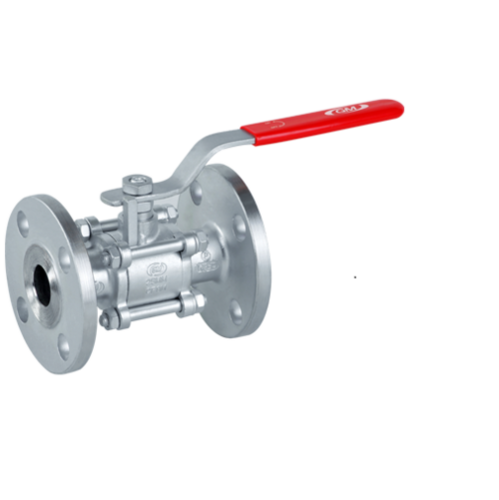

Price:
- 50
- 100
- 200
- 250
- 500
- 1000+

More Products in Ball Valve Category
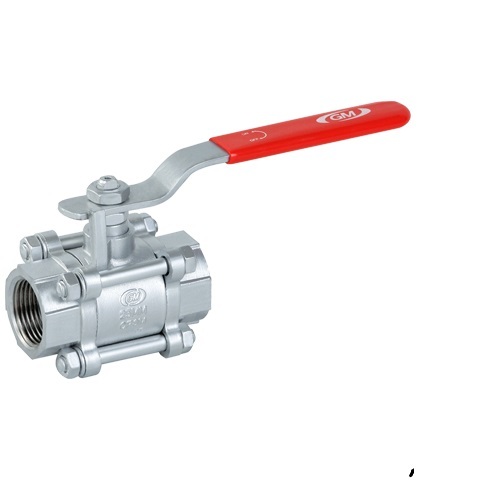
Ball Valve
Price 500 INR / Number
Minimum Order Quantity : 1 Number
Usage : Full Bore, Reduce Bore, Blow Out Proof Stem, Low Torque, Antistatic Device,
Product Type : Ball Valves
Color : Silver
Material : Stainless Steel
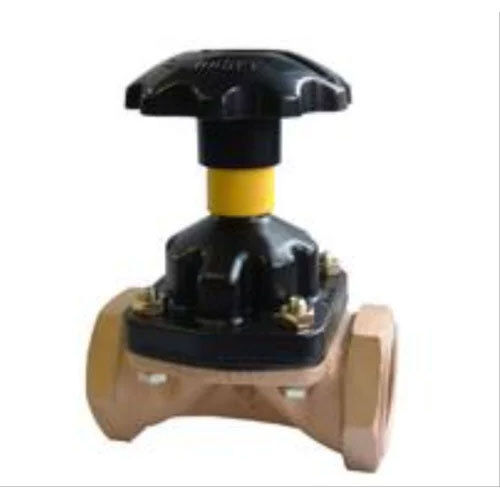
Saunders IDV Screwed End Gunmetal Valves
Price 500 INR / Unit
Minimum Order Quantity : 1 Unit
Usage : Industrial
Product Type : Saunders IDV Screwed End Gunmetal Valves
Color : Multicolour
Material : Stainless Steel
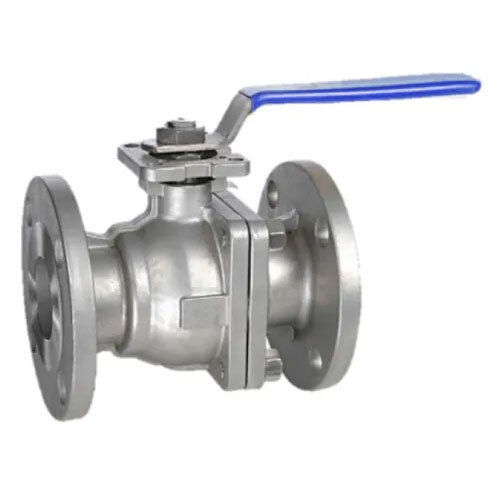
Crane Make Ball Valve
Price 500 INR / Unit
Minimum Order Quantity : 1 Unit
Usage : Industrial
Product Type : Crane Make Ball Valve
Color : Silver And Blue
Material : Stainless Steel
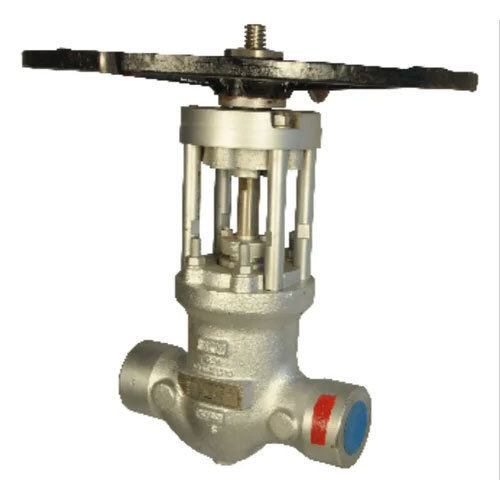
High Pressure Valve
Price 500 INR / Unit
Minimum Order Quantity : 1 Unit
Usage : Industrial
Product Type : High Pressure Valve
Color : Silver
Material : Stainless Steel


- B-201-204, Shilalekh Tower B, Near Nandanvan Society,Vadodara - 390007, Gujarat, India
- Phone : 08045814628
GST : 24AAOFM1539Q1ZP

- Send Inquiry
- Mr. Shubham Agarwal
Direct No.: +917227015100
 Send Inquiry
 Send Inquiry
 Send SMS
 Call Me Free
Developed and Managed by Infocom Network Private Limited.
