
 Send Inquiry
 Send Inquiry
Conduit Gate Valve
MOQ : 1 Unit
Conduit Gate Valve Specification
- Material
- Stainless steel
- Valve Type
- Conduit Gate Valve
- Valve Size
- Varies per model
- Control System
- Manual
- Connection Type
- Flanged
- Features
- Corrosion-resistant High durability
- Application
- Fluid control in pipelines
- Voltage
- N/A (Non-electric operation)
- Sealing
- Metal-to-metal
- Structure
- Rising stem Bolted bonnet
- Type
- Gate Valve
- Power
- N/A (Manual operation)
- Pressure
- High pressure suitability
- Media
- Water Oil Gas
- Port Size
- Standard port size
- Temperature
- Compatible with high-temperature applications
- Disc
- Gate
- Pin
- Steel Pin
Conduit Gate Valve About
Application : Isolation
Features / Benefit : OS & Y Constructione
Flexible Wedge Design (Choice of Solid or
Split Wedge Available)
Full Port Design
Renewable Seat Rings
Burnish Finish Stem for Low Operating Torque
Pressure Seal Bonnet or Welded Bonnet on request
for High Pressure
Ansi Class / Rating : 150#, 300#, 600#
Design Standard : API 6D
Testing Standard : API 598,
F to F Standard : ASME B16.10
Size : 15 mm to 600 mm
Materials Body : WCB, CF8, CF8M, Hast Alloy,
Super Duplex, Alloy 20 , LCB etc
Trim : 13 % Cr, Stellite etc
Ends : Flanged End, Butt Weld End
Operation : Mannual, Pneumatic, Electric
Superior Durability and Corrosion Resistance
Engineered from high-grade stainless steel, this conduit gate valve is built for longevity. Its corrosion-resistant properties make it ideal for use in harsh environments where durability and reliability are essential. The precision-engineered steel pin and gate disc further enhance its structural integrity and resistance to wear, supporting long-term, maintenance-friendly operation.
Versatile Applications Across Multiple Industries
Designed for efficient manual control, this gate valve expertly handles water, oil, and gas flow in pipelines, making it suitable for a variety of industries, including petrochemical, water treatment, and energy sectors. Its ability to withstand high pressures and temperatures ensures optimal performance across complex fluid management systems in both commercial and industrial settings.
FAQ's of Conduit Gate Valve:
Q: How is the Conduit Gate Valve with Pin installed in pipeline systems?
A: The valve is designed with a flanged connection, which simplifies installation by allowing secure bolting between pipeline sections. Ensure proper alignment and tightening to achieve optimal sealing and performance during setup.Q: What are the advantages of using a stainless steel, corrosion-resistant gate valve?
A: Stainless steel construction provides excellent resistance to corrosion, making the valve suitable for harsh environments. This extends service life, reduces maintenance, and offers consistent performance in water, oil, and gas applications.Q: When should I choose a conduit gate valve with a metal-to-metal seal?
A: Opt for a metal-to-metal sealed gate valve when you require robust sealing under high-pressure and high-temperature conditions. This type of sealing is particularly effective for handling demanding industrial fluids.Q: Where are conduit gate valves with pins most commonly used?
A: These valves are widely used in fluid control systems within industries such as oil & gas, water treatment, and chemical processing, especially where high durability and manual control are required.Q: What is the process for operating this valve and does it require any electrical power?
A: Operation is manual, using a handwheel or lever to lift or lower the gate. No electrical power or voltage is needed, providing flexible placement even in remote or hazardous areas.Q: What are the benefits of a rising stem, bolted bonnet structure in this valve design?
A: The rising stem design allows for easy visual inspection of valve position, while the bolted bonnet offers a tighter, more secure seal. This combination enhances operational safety and reliability.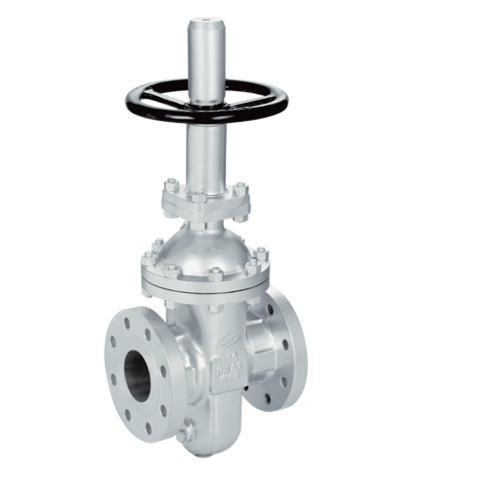
Tell us about your requirement

Price:
Quantity
Select Unit
- 50
- 100
- 200
- 250
- 500
- 1000+
Additional detail
Mobile number
Email


Contact

- B-201-204, Shilalekh Tower B, Near Nandanvan Society,Vadodara - 390007, Gujarat, India
- Phone : 08045814628
WELD ARC ENGINEERS
GST : 24AAOFM1539Q1ZP

- Send Inquiry
- Mr. Shubham Agarwal
Direct No.: +917227015100
 Send Inquiry
 Send Inquiry
 Send SMS
WELD ARC ENGINEERS
All Rights Reserved.(Terms of Use)
Developed and Managed by Infocom Network Private Limited.
Developed and Managed by Infocom Network Private Limited.
