
 Send Inquiry
 Send Inquiry
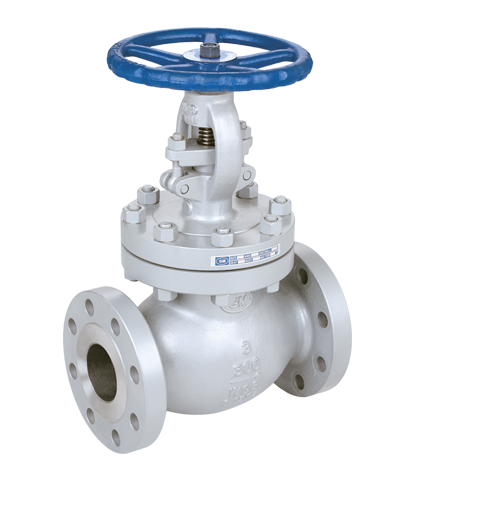
Flanged End Butt Weld End
MOQ : 1 Unit
Flanged End Butt Weld End Specification
- Control System
- Manual / Actuator Operated
- Valve Size
- DN15 to DN600 ( to 24)
- Material
- Carbon Steel, Stainless Steel, Alloy Steel, Cast Iron
- Features
- Corrosion Resistant, High Temperature Service, Leak-Proof
- Valve Type
- Ball / Gate / Globe / Check Valve
- Connection Type
- Flanged / Butt Weld
- Sealing
- PTFE / Graphite / Metal-to-Metal
- Voltage
- 220V/380V (for Actuated Models)
- Structure
- One-piece / Two-piece
- Application
- Industrial Piping, Oil & Gas, Water Treatment, Petrochemical, Power Plants
- Type
- Flanged End Butt Weld End
- Power
- Manual / Pneumatic / Electric
- Pressure
- Class 150 to Class 900 (PN10 PN160)
- Media
- Water, Gas, Steam, Oil, Chemicals
- Port Size
- to 24 (DN15 DN600)
- Temperature
- -10C to 230C (Depending on Material)
- Disc
- Stainless Steel / Carbon Steel / Duplex
- Pin
- Stainless Steel / Alloy Steel
- Operation
- Lever / Gearbox / Actuator
- Testing Standard
- API 598 / EN12266
- Body Coating
- Powder Coated / FBE Coated
- Surface Finish
- Shot Blasted / Painted / Epoxy Coated
- Automation
- Electrically or Pneumatically Actuated
- Face to Face Standard
- ANSI B16.10 / DIN / JIS
- End Flange Drilling
- ANSI / DIN / JIS
- End Connection Standard
- ASME B16.5 / EN 1092-1 / DIN / JIS
- Fire Safe Design
- Available as per API 607
- Packing Type
- Export Wooden Box / Customized
- Gasket Material
- PTFE / Graphite / Spiral Wound
- Blowout Proof Stem
- Yes
Flanged End Butt Weld End About
Application : Throttling / Regulating
Features / Benefit : OS & Y Construction
Renewable Seat Rings, Integral Seat Rings,
Pressure Seal Bonnet or Welded Bonnet on request for High Pressure
Ansi Class / Rating : 150#, 300#, 600#
Design Standard : BS 1873
Testing Standard : API 598, ISO 5208
F to F Standard : ASME B16.10
Size : 15 mm to 600 mm
Materials Body : WCB, CF8, CF8M, Hast Alloy,
Super Duplex, Alloy 20 , LCB etc
Trim : 13 % Cr, Stellite etc
Ends : Flanged End, Butt Weld End
Operation Mannual, Gear, Pneumatic, Electric, etc
Precision Engineering and Standards Compliance
Each valve is manufactured to international standards such as ANSI, DIN, JIS, ASME, and API, assuring full compatibility with global industrial systems. Our rigorous testing, including API 598 and EN12266, guarantees leak-proof operation and superior performance under demanding conditions.
Versatile Applications Across Industries
Our valves are extensively used in a wide array of industries, ranging from industrial piping to petrochemical, power plants, and water treatment facilities. Their robust design and diverse material options ensure a perfect match for demanding media such as water, oil, gas, steam, and chemicals.
Customization for Enhanced Performance
Customers can select from various end connections, gasket materials, body coatings, and operational modes such as manual lever, gearbox, actuator, and automation (electric or pneumatic). Packing, flange drilling, and structure can be tailored to meet unique installation and application requirements.
FAQ's of Flanged End Butt Weld End:
Q: How are these valves tested to ensure quality and reliability?
A: Each valve undergoes rigorous testing in compliance with API 598 or EN12266 standards. This ensures that every unit is leak-proof and meets industry safety and performance requirements.Q: What are the primary applications for these flanged end butt weld end valves?
A: These valves are ideal for industrial piping systems in oil & gas, power plants, water treatment facilities, and petrochemical industries, handling various media including water, steam, oil, gas, and chemicals.Q: When should I choose between manual, pneumatic, or electric actuation?
A: Manual operation is suitable for basic control and infrequent adjustment. Pneumatic and electric actuators are recommended for automated systems, remote operation, or processes that demand precise, frequent valve control.Q: Where can these valves be installed and by whom?
A: They are suitable for installations in new or existing industrial facilities, typically handled by professional engineers, contractors, or system integrators experienced in piping and valve systems.Q: What are the benefits of the fire-safe and blowout proof design features?
A: Fire-safe design in accordance with API 607 ensures operational integrity during fire emergencies. Blowout proof stems add an extra layer of safety, preventing stem ejection under high pressure.Q: How do I choose the right sealing and gasket material for my process?
A: The choice depends on the media and operating conditions. PTFE is best for chemical resistance, graphite withstands high temperatures, and spiral wound types offer durability in fluctuating conditions. Consult with the supplier for specific recommendations.Q: What is the process for ordering and receiving these valves from a manufacturer or distributor in India?
A: Orders can be placed directly with the manufacturer, exporter, or supplier. The valves are typically packed in export-grade wooden boxes or customized packaging to ensure safe delivery domestically or internationally.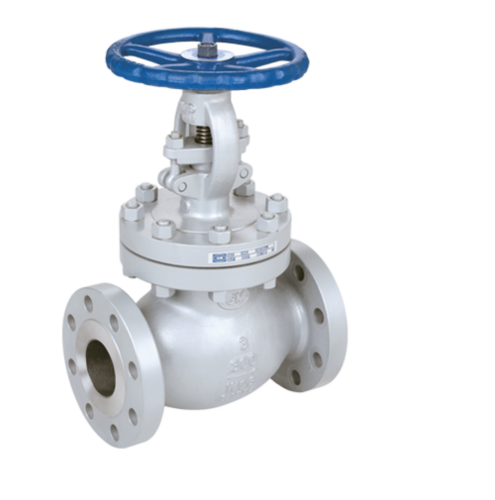
Tell us about your requirement

Price:
Quantity
Select Unit
- 50
- 100
- 200
- 250
- 500
- 1000+
Additional detail
Mobile number
Email


Contact

- B-201-204, Shilalekh Tower B, Near Nandanvan Society,Vadodara - 390007, Gujarat, India
- Phone : 08045814628
WELD ARC ENGINEERS
GST : 24AAOFM1539Q1ZP

- Send Inquiry
- Mr. Shubham Agarwal
Direct No.: +917227015100
 Send Inquiry
 Send Inquiry
 Send SMS
 Call Me Free
WELD ARC ENGINEERS
All Rights Reserved.(Terms of Use)
Developed and Managed by Infocom Network Private Limited.
Developed and Managed by Infocom Network Private Limited.
