
 Send Inquiry
 Send Inquiry
Trunnion Mounted Ball Valves
Price 1000 INR/ Number
MOQ : 1 Millimeter
Trunnion Mounted Ball Valves Specification
- Caliber
- Full Bore, Reduced Bore
- Structure
- Trunnion Mounted Ball Valve
- Pressure
- Class 150 to Class 2500 (PN16 to PN420)
- Connection
- Flanged, Butt Welded
- Channels
- 2-way
- Material
- Carbon Steel, Stainless Steel
- Power
- Manual, Pneumatic, Electric
- Media
- Water, Oil, Gas, Acid
- Temperature of Media
- -29°C to 200°C
- Port Size
- 2 to 24 (DN50 to DN600)
- Flange
- ANSI, DIN, JIS Standards
- Finish
- Painted, Anti-corrosive Coated
- Application
- Oil & Gas, Petrochemical, Power Plant, Water Treatment
- Operation
- Lever, Gear, Actuator
- Anti-static Device
- Yes
- Seat Material
- PTFE, Metal, Nylon
- Body Style
- Split Body, Fully Welded
- End Connection
- RF, RTJ, BW
- Test Standard
- API 598
- Design Standard
- API 6D, BS 5351, ISO 17292
- Mounting Pad
- ISO 5211
- Leakage Class
- Leakage Class VI
- Stem Extension
- Available for Underground Service
- Face to Face
- ASME B16.10
- Blowout Proof Stem
- Yes
- Fire Safe Design
- API 607 Compliant
- Coating
- Optional Epoxy, FBE, or Custom Coatings
Trunnion Mounted Ball Valves About
Application : IsolationFeatures / Benefit : Full Bore, Reduce Bore Blow Out Proof Stem
Low Torque, Antistatic Device Spring Loaded Seat, Stem Extension
Locking Device, Double Block & Bleed, Drain & Vent,
Self Relieving Seat / Double Piston Seat,
Corrosion Resistant Low Friction Bearing,
Emergency Sealant Injection
Trunnion Mounted Design Stem
Fire Safe Test Requirement as per API 607 & API 6FA
Ansi Class / Rating : 150#, 300#, 600#, 900#
Design Standard : API 6D, BS EN ISO 17292 , ASME B16.34,
Testing Standard : API 6D, API 607, API 6FA,
F to F Standard : API6D, ASME B16.10
End Connection : Standard ASME B16.5, ASME B16.47
Size : 50 mm to 1200 mm
Materials Body : A105, LF2, LF6, F304, F316 etc
Seat : RPTFE, GFT, CFT, Viton, Peek, Devlon etc
Ends : Flanged End, Butt Weld End, Ring Type Joint
Operation Mannual with Gear, Pneumatic, Electric, Gas Over Oil, Gas Powered, Hydraulically Operated etc
Designed for Rugged Industrial Performance
These trunnion mounted ball valves are built for long-lasting, secure operation in critical industries. Their robust designs, including split body and fully welded types, comply with leading standards such as API 6D and ISO 17292. Enhanced with anti-static devices, fire-safe features, and blowout-proof stems, they ensure operational safety and reliability in even the harshest service conditions.
Versatility Across Media and Applications
From water and oil to corrosive acids and gases, these valves handle a wide spectrum of fluids at temperatures ranging from -29C to 200C. Their availability in carbon steel and stainless steel makes them ideal for applications in oil & gas, petrochemical, power generation, and water treatment, offering compatibility with ANSI, DIN, and JIS flange standards.
FAQ's of Trunnion Mounted Ball Valves:
Q: How do trunnion mounted ball valves enhance operational safety?
A: Trunnion mounted ball valves feature a blowout-proof stem, anti-static device, and API 607-compliant fire-safe design, protecting against stem dislodgement, static electricity build-up, and fire hazards. These safety mechanisms make the valves highly reliable for critical processes.Q: What are the available operation types for these valves and how should one select among them?
A: Operation options include manual lever, gear operator, or automated actuator (pneumatic or electric). Select manual for smaller sizes or less frequent operation, gear for larger or high-torque applications, and actuators when remote or automated control is required.Q: Where can trunnion mounted ball valves be installed effectively?
A: These valves are suitable for installation in oil & gas pipelines, petrochemical plants, power plants, and water treatment facilities. Stem extensions are available for underground service, ensuring reliable operation even below ground level.Q: What is the benefit of choosing a split body versus a fully welded body valve?
A: Split body designs facilitate easier inspection and maintenance, while fully welded body valves provide enhanced leak-proof integrity without body flanges, beneficial for high-pressure or buried applications.Q: How are these ball valves tested and certified?
A: Valves are tested in accordance with the API 598 standard for tightness and performance. Compliance with design standards like API 6D, BS 5351, and ISO 17292 ensures quality and reliability.Q: What seat materials are available and how do they influence valve performance?
A: Seat options include PTFE, metal, and nylon. PTFE offers excellent chemical resistance, metal seats suit high-temperature or abrasive services, and nylon provides good mechanical strength and sealing at moderate temperatures.Q: When should a customer consider optional coatings such as epoxy or FBE?
A: Optional coatings like epoxy, FBE, or custom finishes should be selected for corrosive environments or buried service, enhancing longevity and resistance to harsh conditions. Coated valves are especially recommended for aggressive industrial or outdoor applications.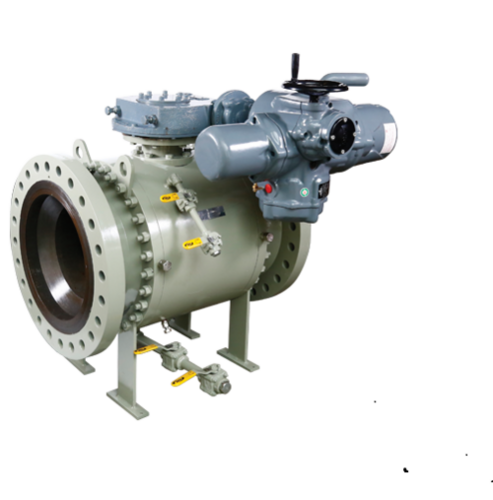
Tell us about your requirement

Price:
Quantity
Select Unit
- 50
- 100
- 200
- 250
- 500
- 1000+
Additional detail
Mobile number
Email


Contact

- B-201-204, Shilalekh Tower B, Near Nandanvan Society,Vadodara - 390007, Gujarat, India
- Phone : 08045814628
WELD ARC ENGINEERS
GST : 24AAOFM1539Q1ZP

- Send Inquiry
- Mr. Shubham Agarwal
Direct No.: +917227015100
 Send Inquiry
 Send Inquiry
 Send SMS
 Call Me Free
WELD ARC ENGINEERS
All Rights Reserved.(Terms of Use)
Developed and Managed by Infocom Network Private Limited.
Developed and Managed by Infocom Network Private Limited.
