
 Send Inquiry
 Send Inquiry
Welded Ball Valve
Price 1000 INR/ Number
Welded Ball Valve Specification
- Pressure
- PN16 / PN25 / PN40
- Caliber
- Full Bore
- Structure
- Ball
- Channels
- Single
- Connection
- Welded
- Material
- Stainless Steel
- Power
- Manual
- Media
- Water, Oil, Gas
- Temperature of Media
- -29C to +150C
- Port Size
- DN15 to DN200
- Flange
- No Flange (Welded Ends)
- Finish
- Polished
- Application
- Industrial Pipeline Systems
- Handle Material
- Stainless Steel with PVC Sleeve
- Body Design
- One-piece/Integral
- Leakage Class
- Class VI
- Sealing
- PTFE or Reinforced PTFE
- Anti-static Device
- Available
- Testing Standard
- API 598 / EN 12266
- Fire Safe Design
- Yes
- Working Life
- 100,000 Cycles
- Operation
- Quarter Turn
- Corrosion Resistance
- Excellent
- Stem Type
- Blow-out Proof
- End Connection
- Butt Weld / Socket Weld
- Mounting Pad
- ISO 5211
Welded Ball Valve About
Application : Isolation
Features / Benefit : Full Bore, Reduce Bore
Blow Out Proof Stem
Low Torque, Antistatic Device
Spring Loaded Seat, Stem Extension
Locking Device, Double Block & Bleed, Drain & Vent,
Self Relieving Seat / Double Piston Seat,
Corrosion Resistant Low Friction Bearing,
Emergency Sealant Injection
Trunnion Mounted Design Stem
Fire Safe Test Requirement as per API 607 & API 6FA
Ansi Class / Rating : 150#, 300#, 600#
Design Standard : API 6D, BS EN ISO 17292 , ASME B16.34,
Testing Standard : API 6D, API 607, API 6FA,
F to F Standard : ASME B16.10
End Connection : Standard ASME B16.5, ASME B16.47
Size : 50 mm to 1200 mm
Materials
Body : A105, LF2, LF6, F304, F316 etc
Seat : RPTFE, GFT, CFT, Viton, Peek, Devlon etc
Ends : Flanged End, Butt Weld End, Ring Type Joint
Operation Mannual with Gear, Pneumatic, Electric, Gas Over Oil, Gas Powered, Hydraulically Operated etc
Reliable Construction and Safety
This welded ball valve incorporates a seamless, one-piece stainless steel design, imparting high mechanical strength and exceptional corrosion resistance. The blow-out proof stem and fire-safe structure contribute to operational safety, making it ideal for demanding industrial environments.
Superior Sealing Performance
Outfitted with PTFE or reinforced PTFE seats, the valve achieves tight, Class VI leakage standards. This ensures optimal media containment, whether transporting water, oil, or gas, significantly reducing operational risks and maintenance requirements.
Versatile Application and Durability
Designed for universal compatibility with industrial pipeline systems, the valve endures pressures up to PN40 and temperatures from -29C to +150C. Its full bore, polished channel enhances throughput, and the valve withstands over 100,000 operation cycles, ensuring long-term, dependable service.
FAQ's of Welded Ball Valve:
Q: How is the welded ball valve operated during installation and routine service?
A: The welded ball valve is operated manually using its stainless steel handle with a PVC sleeve. It requires only a quarter turn to open or close, ensuring rapid and straightforward actuation during installation or routine use.Q: What distinguishes the sealing performance of this ball valve?
A: The valve utilizes PTFE or reinforced PTFE seats, achieving Class VI leakage tightness. This high-grade sealing material resists chemical deterioration and maintains excellent performance under variable pressures and temperatures.Q: When should this welded ball valve be used in an industrial pipeline system?
A: This ball valve is ideal for applications demanding secure, leak-free shutoff, including water, oil, and gas pipelines within operating pressures up to PN40 and temperatures from -29C to +150C. Its welded ends suit permanent installations where flange connections are not required.Q: Where can the welded ball valve be sourced, and who supplies it?
A: This welded ball valve is available from reputable distributors, exporters, manufacturers, and suppliers across India, serving the needs of industrial sectors both domestically and internationally.Q: What is the process for mounting this ball valve onto a pipeline?
A: The valve is installed by either butt welding or socket welding the ends directly to the pipeline, which ensures a robust and leak-proof connection. An ISO 5211 pad simplifies actuator mounting if automation is needed in the future.Q: How does the design ensure user safety and reliability during operation?
A: The valve features a blow-out proof stem, fire-safe design, and anti-static device, all contributing to safe and trouble-free operation in hazardous environments. Its construction is certified by API 598 and EN 12266 testing standards.Q: What are the benefits of choosing this full bore, welded ball valve for industrial use?
A: Choosing this valve offers excellent corrosion resistance, minimal leakage, high operational life ( 100,000 cycles), low maintenance, and reliable performance in harsh industrial settings. The full bore design supports high flow rates and reduced pressure drop.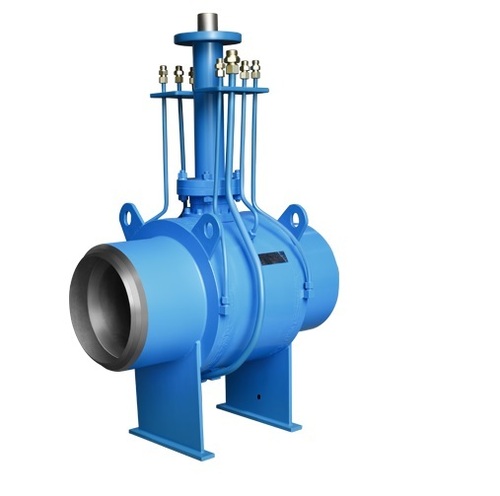

Price:
- 50
- 100
- 200
- 250
- 500
- 1000+


- B-201-204, Shilalekh Tower B, Near Nandanvan Society,Vadodara - 390007, Gujarat, India
- Phone : 08045814628
GST : 24AAOFM1539Q1ZP

- Send Inquiry
- Mr. Shubham Agarwal
Direct No.: +917227015100
 Send Inquiry
 Send Inquiry
 Send SMS
Developed and Managed by Infocom Network Private Limited.
